A crunchy, hydrating vegetable with powerful anti-inflammatory properties and numerous health benefits.
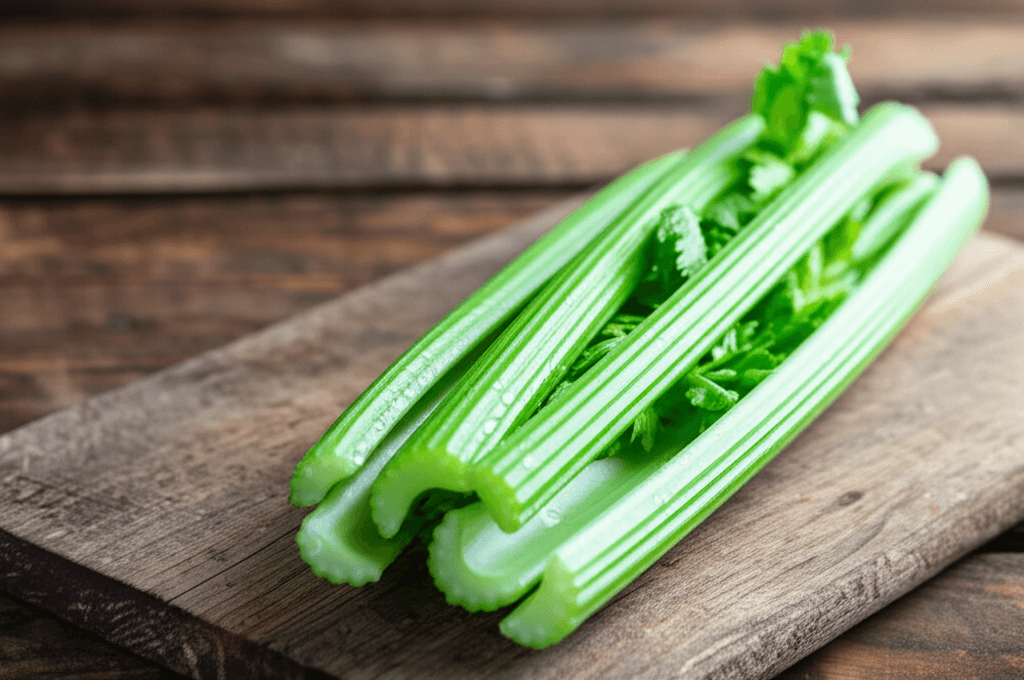
Celery (Apium graveolens) is a marshland plant in the family Apiaceae that has been cultivated as a vegetable since antiquity. It has long, fibrous stalks that taper into leaves, and both the stalks and leaves are edible, as are the small seeds that the plant produces.
Known for its distinctive flavor and satisfying crunch, celery is a staple in many cuisines around the world. It's commonly used in soups, stews, salads, and as a crunchy snack with dips.
Celery is exceptionally low in calories while being rich in nutrients. A medium stalk (40g) of celery contains:
Celery also contains small amounts of vitamin C, B vitamins, calcium, magnesium, and phosphorus.
Celery contains antioxidants and polysaccharides that are known to act as anti-inflammatories, especially flavonoid and polyphenol antioxidants. These can help reduce inflammation in the body, potentially benefiting those with inflammatory conditions.
The high water and fiber content in celery supports a healthy digestive tract and helps prevent constipation. The fiber in celery also feeds beneficial gut bacteria, promoting gut health.
Celery contains compounds called phthalides, which can help relax the muscles in and around arterial walls, creating more space and allowing blood to flow more freely. This may help reduce blood pressure.
With a water content of about 95%, celery is an excellent food for hydration, which is essential for all bodily functions.
Due to its high water content, fiber, and low calorie count, celery can be a helpful addition to a weight management diet. It provides a satisfying crunch and volume without adding many calories.
Looking for a delicious way to incorporate celery into your meals? Try our refreshing Celery and Apple Salad with Walnuts:
Combine all ingredients in a bowl, toss well, and enjoy this crunchy, nutritious salad!
When selecting celery, look for crisp, firm stalks with fresh leaves. The stalks should snap easily when bent, not bend limply. Avoid celery with wilted leaves or slimy stalks.
To store celery, wrap it in aluminum foil and keep it in the refrigerator. Unlike plastic bags, foil allows the ethylene gas that celery produces to escape, keeping it fresh for up to two weeks. Alternatively, you can store celery stalks in water in the refrigerator to maintain crispness.
Celery is generally safe for most people when consumed in food amounts. However, some individuals may be allergic to celery, with symptoms ranging from oral allergy syndrome to anaphylaxis in severe cases.
Celery also contains natural chemicals called psoralens, which can increase sun sensitivity in some people when consumed in large amounts.
Celery is a versatile, nutritious vegetable that offers numerous health benefits. Its high water and fiber content, along with its array of vitamins, minerals, and antioxidants, make it a valuable addition to a balanced diet. Whether enjoyed raw as a snack, added to salads, or used as a flavor base in cooking, celery can contribute to overall health and wellbeing.
