NxHealth Logo
NxHealth
AboutServicesResourcesContactProfile
NxHealth Logo
NxHealth

Providing evidence-based health and wellness solutions to improve your quality of life.

Facebook
T
TikTok
YouTubeInstagram

Services

  • Health & Wellness
  • Diet Coaching
  • Nutrition Planning
  • Wellness Programs
  • Other Services

Company

  • About Us
  • Our Team
  • Careers
  • Articles

Contact

  • nxhealthsolutions@gmail.com

© 2026 NxHealth. All rights reserved.

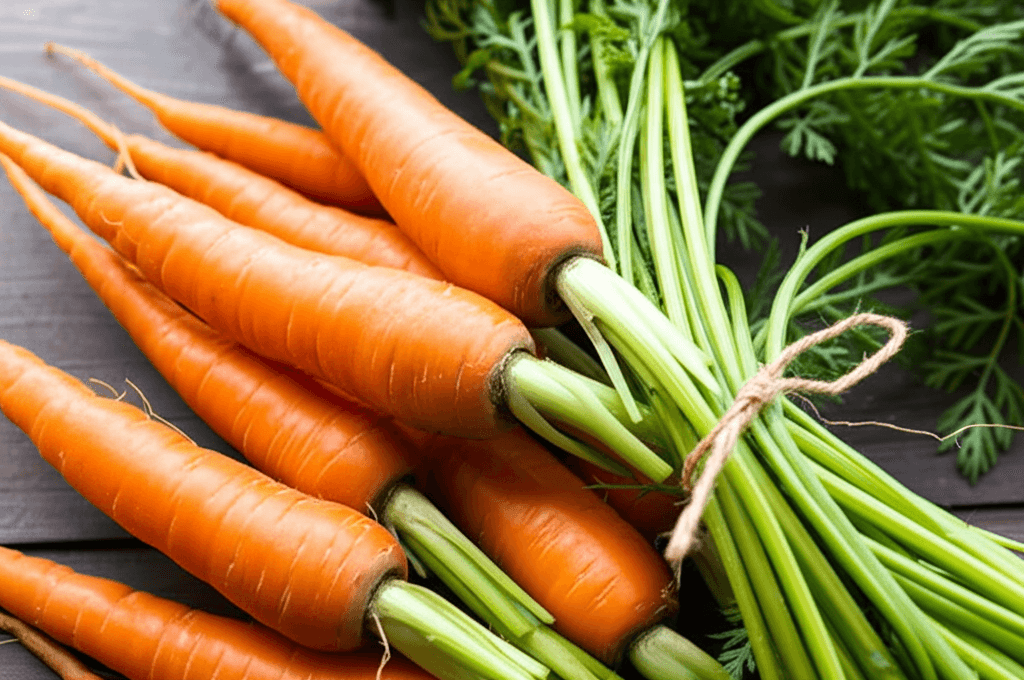
    Fresh orange carrots

    Carrots

    Nature's vibrant source of beta-carotene

    Quick Facts

    Scientific Name

    Daucus carota

    Family

    Apiaceae (Umbelliferae)

    Origin

    Central Asia and Middle East

    Nutritional Information

    Carrots are exceptionally rich in beta-carotene, which the body converts to vitamin A. They also provide significant amounts of fiber, vitamin K, potassium, and antioxidants.

    Nutritional Value per 100g

    • Calories:41 kcal
    • Carbohydrates:9.6 g
    • Fiber:2.8 g
    • Protein:0.9 g
    • Fat:0.2 g
    • Vitamin A:835 μg (104% DV)
    • Vitamin K:13.2 μg (16% DV)
    • Potassium:320 mg (9% DV)

    Health Benefits

    Eye Health

    The beta-carotene in carrots is converted to vitamin A in the body, which is essential for good vision, especially in low light conditions. Regular consumption may help reduce the risk of age-related macular degeneration.

    Heart Health

    Carrots contain potassium, which helps regulate blood pressure, and fiber, which can help lower cholesterol levels. The antioxidants in carrots may also help protect against heart disease.

    Cancer Prevention

    The antioxidants in carrots, particularly beta-carotene and falcarinol, may help protect cells from damage and reduce the risk of certain cancers, including lung, breast, and colon cancer.

    Immune Function

    Vitamin A plays a crucial role in immune function, and the high vitamin A content in carrots helps support a healthy immune system.

    Culinary Uses

    Carrots are incredibly versatile in the kitchen and can be enjoyed in numerous ways:

    • Raw in salads or as crudités with dips
    • Roasted with herbs and olive oil
    • Steamed or boiled as a side dish
    • Puréed in soups and sauces
    • Juiced for a nutritious beverage
    • Grated into baked goods like carrot cake or muffins
    • Pickled for a tangy condiment
    • Stir-fried with other vegetables

    Quick Recipe: Honey Glazed Carrots

    A simple side dish that highlights the natural sweetness of carrots.

    1. Peel and slice 1 pound of carrots into rounds
    2. Melt 2 tablespoons of butter in a skillet over medium heat
    3. Add carrots and cook for 5 minutes until they begin to soften
    4. Add 2 tablespoons of honey, 1/4 teaspoon of salt, and a pinch of cinnamon
    5. Cook for another 5 minutes until carrots are tender and glazed
    6. Garnish with fresh parsley and serve

    Selection and Storage

    How to Select

    • Look for firm, smooth carrots with vibrant color
    • Avoid carrots that are soft, rubbery, or have cracks
    • If the greens are attached, they should be fresh and bright
    • Smaller carrots tend to be sweeter and more tender

    How to Store

    • Remove green tops before storing to prevent moisture loss
    • Store in the refrigerator in a perforated plastic bag
    • Keep away from apples and pears, which release ethylene gas that can make carrots bitter
    • Properly stored, carrots can last 3-4 weeks in the refrigerator

    Fun Facts

    • •

      The world's longest carrot was grown in the UK and measured 20 feet 5.9 inches (6.245 meters).

    • •

      Carrots were originally purple or white. The orange carrot was developed in the Netherlands in the 16th century as a tribute to William of Orange.

    • •

      During World War II, the British spread the rumor that their pilots' excellent night vision was due to eating carrots, to hide the fact that they had developed radar technology.

    • •

      Carrots can actually turn your skin orange if you eat too many of them, a condition called carotenemia.

    Related Foods

    Sweet Potato

    Pumpkin

    Bell Pepper

    Butternut Squash

    Eric Johnson, Founder of NxHealth Solutions

    Eric Johnson M.S.

    Founder & Nutrition Specialist