Discover the incredible health benefits, culinary versatility, and rich nutritional profile of this deep crimson root vegetable that can transform your health and your plate.
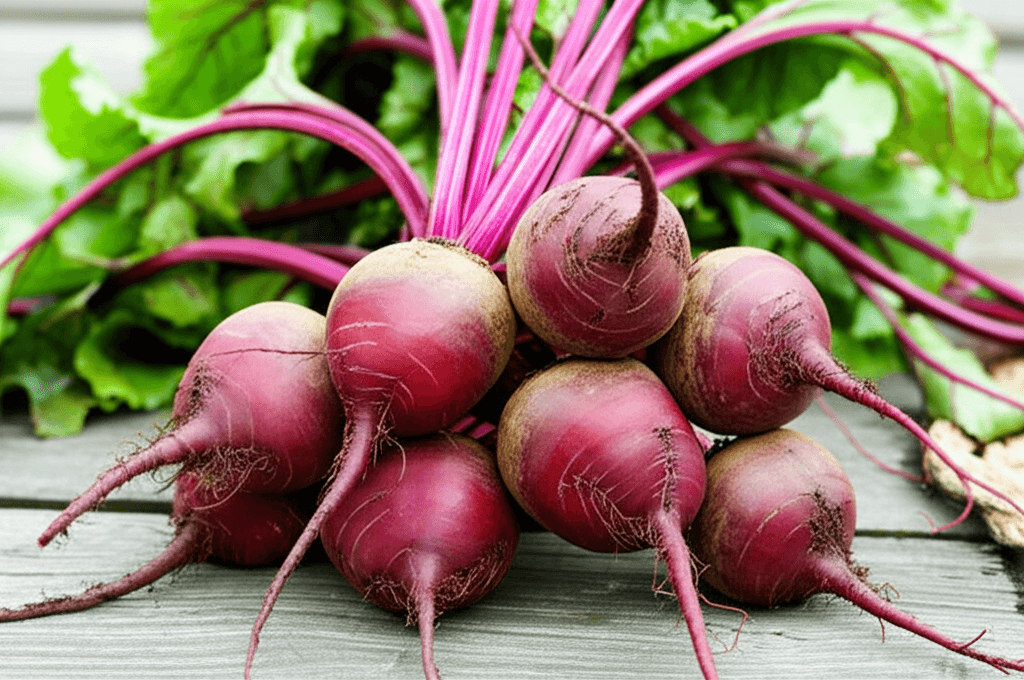
Beetroot (Beta vulgaris), also known simply as beet, is a root vegetable known for its distinctive deep crimson color. It belongs to the same family as chard and spinach, and both the roots and leaves are edible and packed with nutrients.
Originally grown around the Mediterranean and Atlantic coasts of Europe, beetroot has been cultivated for thousands of years. The ancient Romans were among the first to cultivate beets and used them for their medicinal properties rather than as food.
Today, beetroot is celebrated not only for its earthy, sweet flavor but also for its remarkable health benefits. Modern research has revealed that beetroot contains unique bioactive compounds called betalains, which give it both its color and many of its health-promoting properties.
per 100g
per 100g
per 100g
per 100g
Essential for cell growth and metabolism
Important for bone health and metabolism
Helps maintain healthy blood pressure
Supports immune function and collagen production
Essential for oxygen transport in the blood
Natural compounds that support heart health
The nitrates in beetroot can help lower blood pressure and improve blood flow, reducing the risk of heart disease.
Betalains, the pigments that give beetroot its color, have powerful antioxidant properties that fight inflammation.
Studies suggest beetroot juice can enhance endurance and improve exercise performance by increasing oxygen use efficiency.
Beetroot contains betaine, which helps protect the liver and stimulates the function of liver cells.
The nitrates in beetroot may improve blood flow to the brain, potentially slowing cognitive decline.
The fiber in beetroot supports digestive health and helps maintain a healthy gut microbiome.
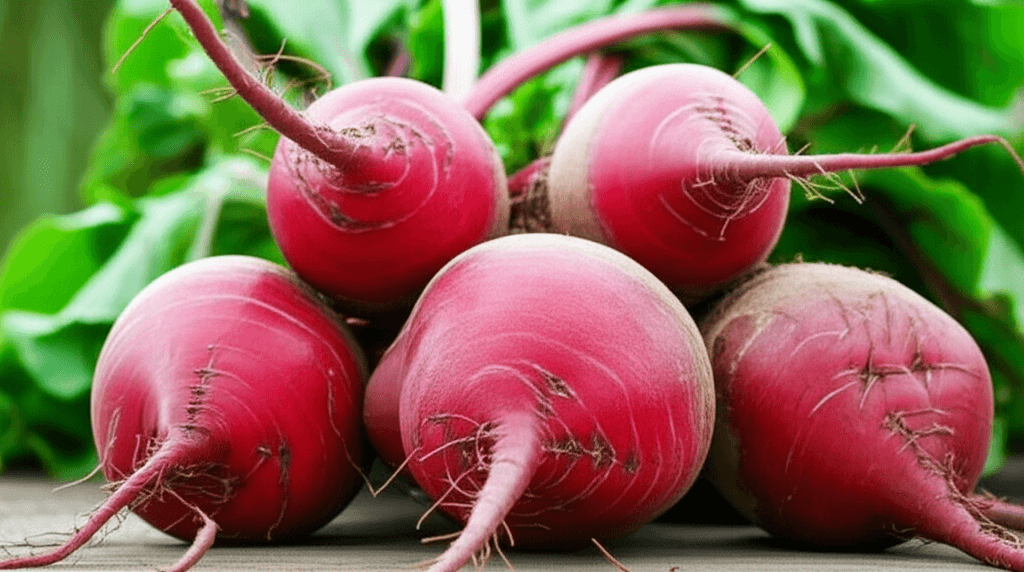
Roasting beetroot enhances its natural sweetness. Toss with olive oil, salt, and herbs, then roast until tender. Perfect as a side dish or added to salads.
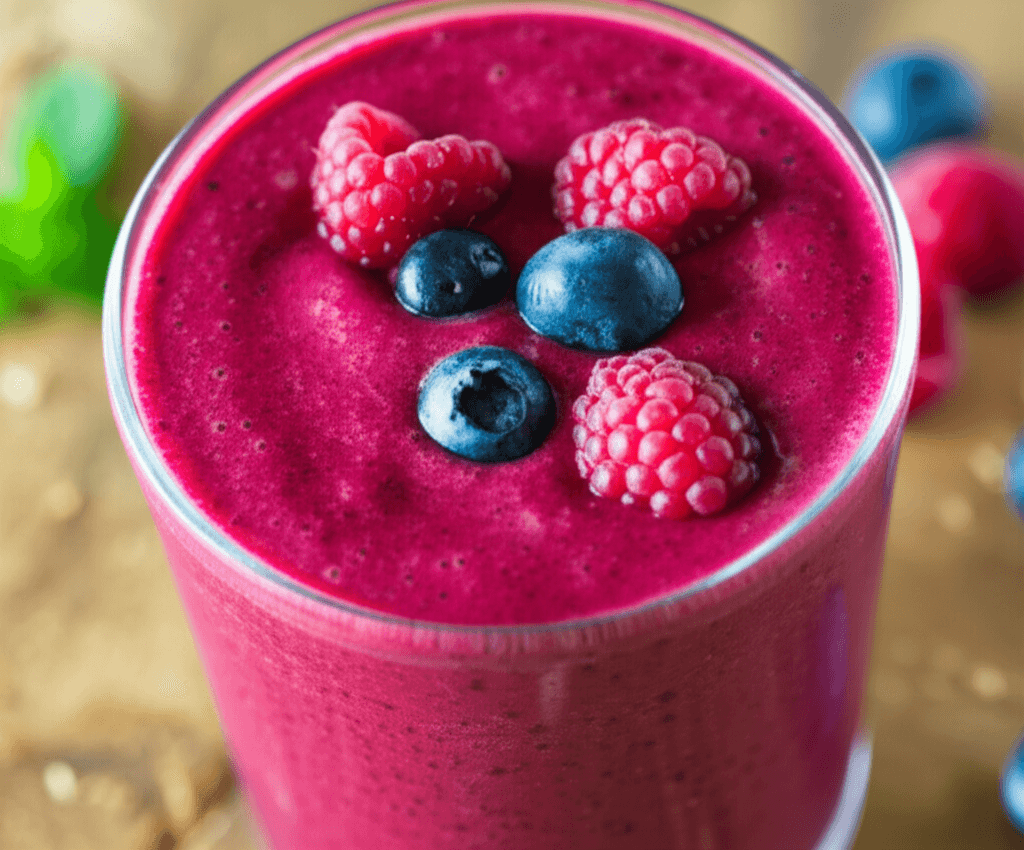
Blend raw beetroot with berries, banana, and yogurt for a nutritious and vibrant smoothie. Add a touch of honey or maple syrup if desired.
Beetroot is used as a natural food coloring in many products, from ice cream to pasta.
Beetroot has been cultivated since ancient times, with evidence dating back to prehistoric times.
Don't be alarmed if your urine turns pink after eating beetroot—it's a harmless condition called beeturia.
Before sugarcane became widely available, beetroot was a primary source of sugar in many countries.
Beetroot leaves are highly nutritious and can be cooked like spinach or added to salads.
The heaviest beetroot on record weighed over 23 kg (51 lbs), grown in the Netherlands.
Explore our nutrition plans and personalized consultations to learn how to maximize the benefits of beetroot and other superfoods.