NxHealth Logo
NxHealth
AboutServicesResourcesContactProfile
NxHealth Logo
NxHealth

Providing evidence-based health and wellness solutions to improve your quality of life.

Facebook
T
TikTok
YouTubeInstagram

Services

  • Health & Wellness
  • Diet Coaching
  • Nutrition Planning
  • Wellness Programs
  • Other Services

Company

  • About Us
  • Our Team
  • Careers
  • Articles

Contact

  • nxhealthsolutions@gmail.com

© 2026 NxHealth. All rights reserved.

    Cabbage

    Cruciferous Vegetable•Nutritional Powerhouse

    About Cabbage

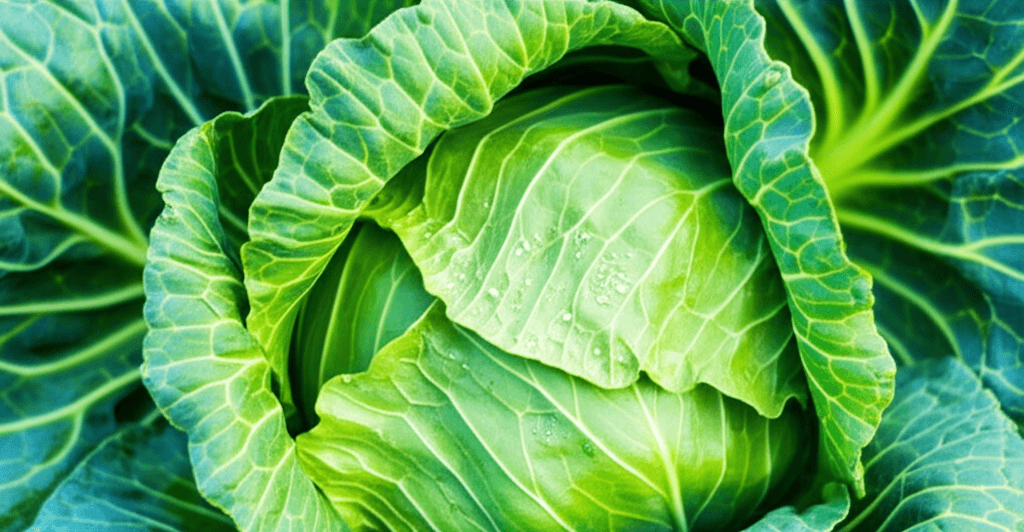
    Cabbage (Brassica oleracea var. capitata) is a leafy green, red, or white biennial plant grown as an annual vegetable crop for its dense-leaved heads. It is a member of the "cole crops" or brassicas, meaning it is closely related to broccoli, cauliflower, and Brussels sprouts.

    Cabbage heads generally range from 0.5 to 4 kg (1 to 9 lb), and can be green, purple or white. Smooth-leafed, firm-headed green cabbages are the most common, but savoy, red, and Napa varieties are also popular. Cabbage is a versatile vegetable that can be prepared in numerous ways, including raw in salads and slaws, fermented as sauerkraut or kimchi, or cooked in soups, stews, and stir-fries.

    Nutritional Benefits

    Cabbage is an excellent source of vitamin C and vitamin K. It also contains significant amounts of dietary fiber, folate, and manganese. Additionally, cabbage is rich in antioxidants, including polyphenols and sulfur compounds, which have been linked to reduced inflammation and a lower risk of certain diseases.

    Nutritional Value per 100g of Raw Cabbage:

    • • Calories: 25
    • • Carbohydrates: 5.8g
    • • Fiber: 2.5g
    • • Protein: 1.3g
    • • Vitamin C: 36.6mg (61% DV)
    • • Vitamin K: 76μg (95% DV)
    • • Folate: 43μg (11% DV)
    • • Manganese: 0.2mg (10% DV)

    Health Benefits

    Cabbage offers numerous health benefits due to its rich nutrient profile and bioactive compounds:

    • Anti-inflammatory Properties: The antioxidants and anti-inflammatory compounds in cabbage may help reduce chronic inflammation.
    • Digestive Health: The fiber content in cabbage promotes healthy digestion and may help prevent constipation.
    • Heart Health: Regular consumption of cruciferous vegetables like cabbage is associated with a reduced risk of heart disease.
    • Cancer Prevention: Cabbage contains glucosinolates, which are compounds that have been studied for their potential cancer-fighting properties.
    • Immune Support: The high vitamin C content in cabbage helps support immune function.
    • Bone Health: Vitamin K in cabbage plays a crucial role in bone metabolism and may help prevent osteoporosis.

    Culinary Uses

    Cabbage is incredibly versatile in the kitchen and can be prepared in numerous ways:

    • Raw: Shredded in salads, slaws, or as a crunchy topping for tacos and sandwiches.
    • Fermented: Transformed into sauerkraut, kimchi, or other fermented dishes that provide probiotic benefits.
    • Cooked: Sautéed, stir-fried, braised, or added to soups and stews.
    • Stuffed: Whole leaves can be blanched and used as wrappers for various fillings.
    • Roasted: Cut into wedges and roasted for a caramelized flavor.
    • Juiced: Combined with other vegetables and fruits for nutritious juices.

    Selection and Storage

    When selecting cabbage, look for heads that feel heavy for their size with crisp, colorful leaves. Avoid cabbages with discolored leaves, visible damage, or signs of decay. Store whole cabbage heads in the refrigerator, where they can last for several weeks. Once cut, wrap the remaining portion tightly in plastic wrap and refrigerate for up to a week.

    Quick Facts

    • •Cabbage is one of the oldest known vegetables, dating back to the 1600s BCE.
    • •China is the world's largest producer of cabbage.
    • •There are over 400 different varieties of cabbage grown around the world.
    • •Red cabbage contains more antioxidants than green cabbage.
    • •Cabbage is a good source of glutamine, an amino acid that has anti-inflammatory properties.

    Seasonal Availability

    Cabbage is available year-round, but it's at its peak during late fall and winter months. Different varieties may have different peak seasons.

    Jan
    Feb
    Mar
    Apr
    May
    Jun
    Jul
    Aug
    Sep
    Oct
    Nov
    Dec

    Recipe Ideas

    • →Classic Coleslaw with Creamy Dressing
    • →Homemade Sauerkraut
    • →Stuffed Cabbage Rolls
    • →Cabbage and Potato Soup
    • →Roasted Cabbage Steaks
    • →Asian-Inspired Cabbage Stir-Fry