Delve into the layered complexity of artichokes - the flowering thistle with heart-healthy compounds and liver-supporting benefits
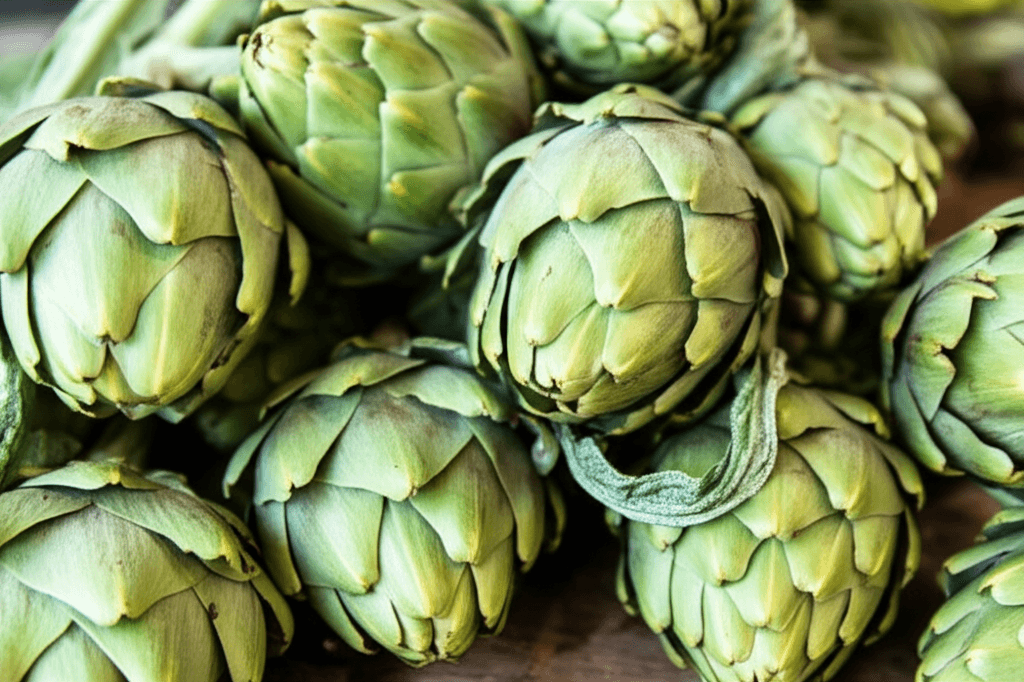
Artichokes are low in fat while rich in fiber, vitamins, minerals, and antioxidants. Particularly high in folate and vitamins C and K, they also provide important minerals such as magnesium, potassium, and phosphorus. One medium artichoke contains only about 60 calories but provides nearly 7 grams of fiber, making it an excellent addition to a healthy diet.
The high fiber content in artichokes supports healthy digestion, helps prevent constipation, and promotes the growth of beneficial gut bacteria.
Artichokes contain cynarin and silymarin, compounds that may help protect the liver, stimulate bile production, and support detoxification processes.
Studies suggest that artichoke leaf extract may help lower cholesterol levels by inhibiting cholesterol synthesis and increasing bile production.
Artichokes are rich in antioxidants, including quercetin, rutin, and anthocyanins, which help protect cells from damage caused by free radicals.
Artichokes are actually flower buds that haven't yet bloomed. If allowed to flower, artichokes produce beautiful violet-blue blossoms that can reach up to 7 inches in diameter.
Including artichokes in your diet can be a delicious way to support digestive health, liver function, and overall wellness. Whether enjoyed as a standalone dish or incorporated into various recipes, artichokes offer a unique flavor and impressive nutritional benefits.
