Discover the sweet, tangy flavor and impressive health benefits of this vibrant fruit.
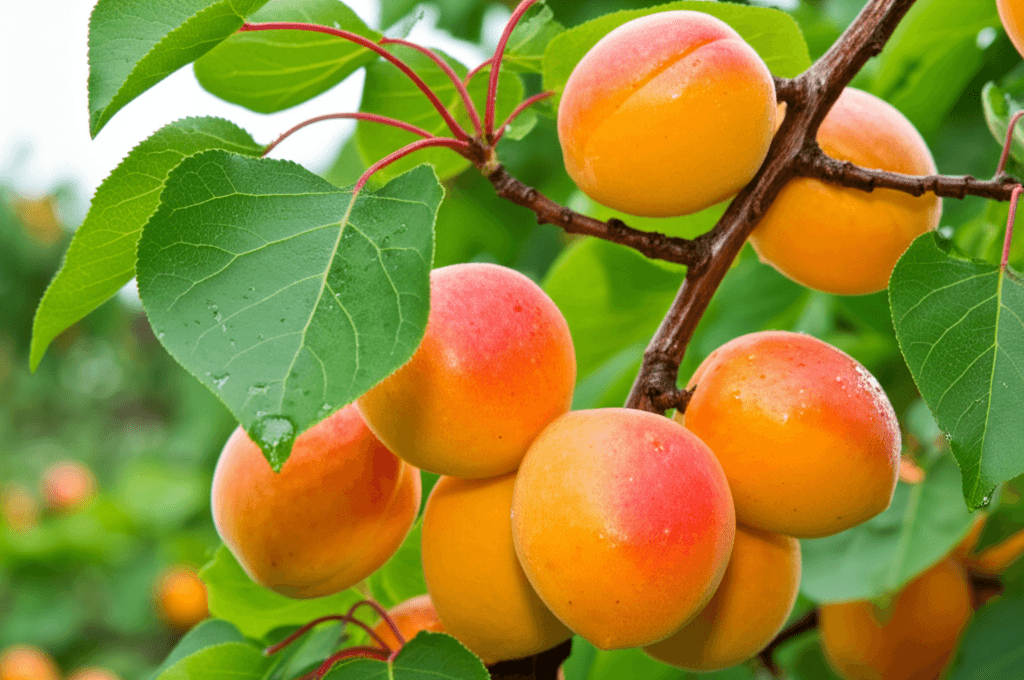
Apricots (Prunus armeniaca) are small, golden fruits with velvety skin and sweet-tart flesh. Originally from China, these fruits have been cultivated for over 4,000 years and are now enjoyed worldwide for their delicious flavor and impressive nutritional profile.
Apricots are packed with essential nutrients while being relatively low in calories. A typical serving of 3-4 fresh apricots (about 140g) contains:
Apricots can be enjoyed in numerous ways:
Rich in vitamin A and carotenoids like beta-carotene, apricots support eye health and may help prevent age-related macular degeneration. The antioxidants lutein and zeaxanthin specifically protect retinal cells from damage.
The vitamin C and antioxidants in apricots help strengthen the immune system by protecting cells from oxidative damage and supporting the body's natural defense mechanisms against infections and diseases.
Apricots' vitamin E and vitamin C content helps maintain skin elasticity and protect against UV damage. The fruit's antioxidants combat free radicals that contribute to premature aging and skin damage.
With a good amount of dietary fiber, apricots support healthy digestion, prevent constipation, and promote the growth of beneficial gut bacteria. They also contain natural compounds that aid in proper nutrient absorption.
Scientific studies have shown that regular consumption of apricots may:
Apricot kernels (the seeds inside the pits) have been used in traditional medicine, but should be consumed with caution as they contain amygdalin, which can convert to cyanide in the body. The fruit flesh, however, is completely safe and highly nutritious.
