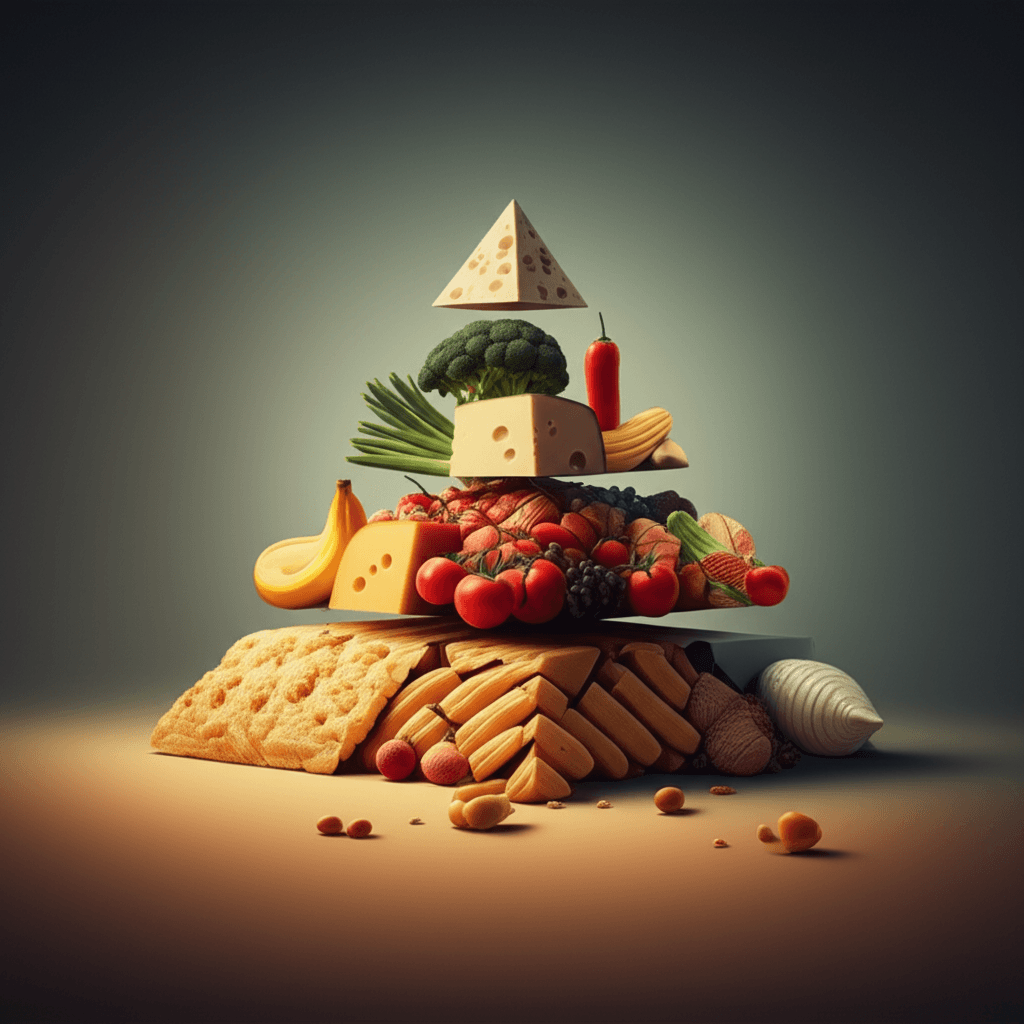
For decades, the food pyramid stood as a seemingly unshakeable guide to healthy eating, a visual representation of nutritional wisdom passed down through generations. But what if this widely accepted model isn't the beacon of health we've been led to believe? What if the very foundation of our dietary understanding has been subtly influenced by forces with agendas beyond our well-being?
This powerful message, echoing through a thought-provoking discussion, challenges the conventional food pyramid, urging us to critically examine what we consider "healthy" and to become empowered advocates for our own nutritional sovereignty.
The traditional food pyramid often champions the consumption of dairy products like milk, yogurt, and cheese. However, the discussion highlights a crucial point: these foods are not universally beneficial. Lactose intolerance affects a significant portion of the population, and the inflammatory properties of dairy are increasingly being recognized. Is it truly a foundational food group for everyone?
"Even small, 'moderate' amounts of unhealthy substances, consumed consistently over time, can have detrimental effects on our bodies."
Furthermore, the principle of "eating in moderation" comes under scrutiny. While seemingly sensible, the discussion raises the concern of accumulation. Even small, "moderate" amounts of unhealthy substances, consumed consistently over time, can have detrimental effects on our bodies. The positioning of fats, oils, and sweets at the pyramid's apex, often without nuanced guidance on types and quantities, is also presented as a potential flaw, lacking the crucial context needed for truly informed choices.
The discussion delves into the alarming reality of processed foods and their pervasive presence in our modern diets. Seed oils like grape seed, cotton, and canola oil, along with processed breads, chips, and pastas, are flagged as particularly problematic. These aren't simply convenient options; they are often engineered with additives that trigger our brain's reward system, leading to addictive eating patterns.
The industrial revolution, while bringing advancements, also ushered in an era of mass food processing. This shift, the discussion suggests, has prioritized shelf life and profit margins over genuine nutritional value, leaving us vulnerable to foods that actively harm our health.
So, if the food pyramid isn't the ultimate guide, what is? The discussion champions a return to a more holistic and natural way of eating, emphasizing a diet abundant in vibrant vegetables, nutritious fruits, wholesome whole grains, protein-rich legumes, healthy fats from nuts and seeds, and beneficial oils such as olive oil and avocado oil.
The key takeaway is the importance of reading food ingredients. We must become conscious consumers, understanding exactly what we are putting into our bodies and reducing our reliance on heavily processed, often chemically laden foods. The long-held belief that milk is essential for strong bones is also challenged, encouraging a broader understanding of calcium sources and bone health.
The power to choose our food ultimately lies within us. The discussion empowers viewers to take control by:
Certain food ingredients and products that are legally sold in America are banned in other countries due to their known health risks. This stark comparison underscores the need for greater awareness and critical evaluation of our food system.
The time for passive acceptance is over. It's time to question, to learn, and to actively choose a path towards genuine health and well-being.
By becoming more conscious of what we eat, reading labels, understanding ingredients, and prioritizing whole, nutrient-dense foods, we can reclaim control of our plates and, by extension, our health.
Start your journey toward nutritional sovereignty with these simple steps:
Remember, true health isn't about following a prescribed pyramid or plate model—it's about understanding your unique body, its needs, and nourishing it with foods that genuinely support your wellbeing.
The journey to reclaiming your plate starts with a single, conscious choice. What will you choose to eat today?

Founder & Nutrition Specialist
A nutritionist and food scientist with a background in exercise and health science. Eric created NxHealth to help improve quality of life through targeted health solutions, believing that our health is our true wealth.
Discover how incorporating more plant-based foods into your diet can transform your health and energy levels.
Read Article
Find out how to calculate your daily caloric needs and create a balanced nutrition plan that works for your lifestyle.
Read Article
Explore the benefits of eating foods when they're in season and how it can improve your health and the environment.
Read ArticleBook a consultation with our nutrition experts to create a personalized plan that works for your unique needs and lifestyle.
